The Origin Story

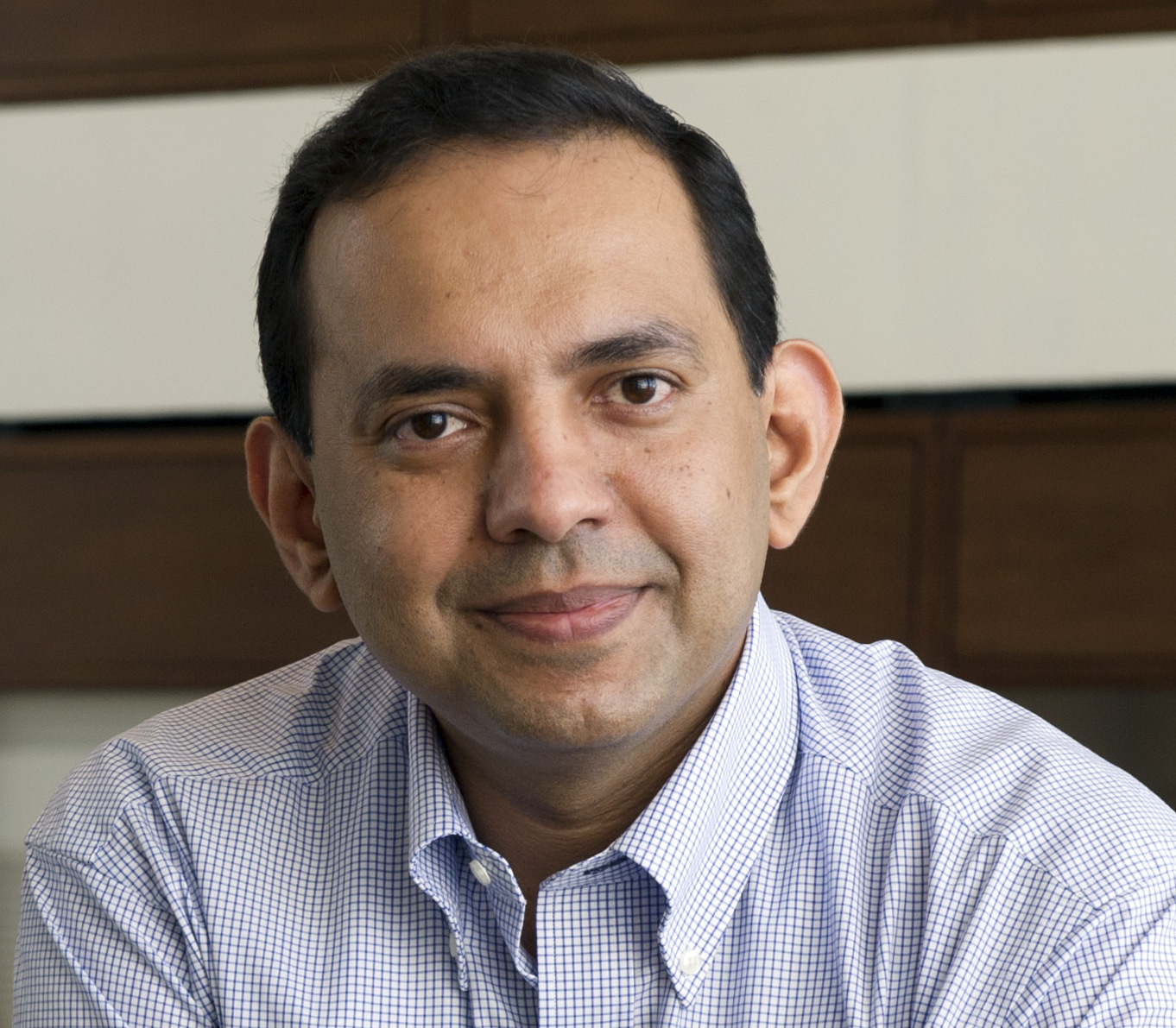
Anand Chaturvedi in white shirt sitting in his caryfy office

The Phone Call That Changed Everything

From personal tragedy to global mission—how losing a brother led to a life dedicated to making care sustainable.

01

Eighteen Days

You could say I was raised to be a nomad. By the 10th grade, I had attended ten schools throughout Rajasthan, my home state in northwestern India. That’s what it’s like when your dad is a civil servant for the Rajasthan Administrative Service.

By 2008, I was in my mid-30s, had earned my M.B.A. at the University of South Carolina, and had a 10-month-old baby girl with my wife, Garima. I was a vice president of global strategy for Doosan Infracore’s Bobcat construction equipment, based in Charlotte, N.C.

My 27-year-old brother, Avinish, was about to get his Ph.D. at the University of Illinois at Urbana-Champaign. He had been offered a job. He was about to get married.

We were living the American dream as envisioned by some Indians.

Then, out of nowhere, tragedy struck.

Avinish received a diagnosis of a rare strain of lung cancer.

Eighteen days later, he passed away.

Our family was stunned. Garima and I dropped our lives in America and moved back to India to be near grieving relatives and, frankly, to reassess the direction of our lives.

“How could we go about our lives the rest of the time, as if that were enough?”

02

The Question That Reshaped Our Lives

In that period, Garima and I tried to figure out how to honor my brother’s last wishes: to do something to ease others’ suffering.

One option would have been to establish an annual award for cancer research dedicated in his name. But Garima wisely reasoned that while that would make us feel better once a year, how could we go about our lives the rest of the time, as if that were enough?

Then we looked around at our own families—and at the entire Indian population. Diabetes has reached epidemic proportions in my country; it riddles both sides of our family medical histories.

With our own money, we opened a diabetes clinic in Udaipur, Rajasthan, where Garima has many relatives. She would stay there, as medical director of the Deerghayu Life Style Clinic, focused on diabetes treatment, education and prevention.

Deerghayu means “long life” in Sanskrit.

nyt logo

Two Jobs, but Half a World Apart

Managing a business across continents isn’t just a job—it’s a 24/7 balancing act.

03

Building Across Continents

I moved back to Atlanta, where Doosan had moved its American headquarters. While handling my full-time job, I would also be marketing and development director for the clinic and our nonprofit foundation.

How can you manage to hold down basically two jobs on opposite sides of the globe without compromising your work effort for either?

It’s fairly simple: I didn’t have a social life. I didn’t play golf. I didn’t watch TV. Early in the morning and late at night I was on email, Skype or cell with Garima and my children, or networking for ways to raise funds and awareness for the clinic.

What made it all worthwhile was the success of our efforts in Udaipur. In a region where only 14 percent of people see a doctor at least every six months, a yearlong survey we conducted showed that 90 percent of patients who followed our protocols had marked improvement in key measures of diabetes.

In 2011, I was invited to represent India at the United Nations High-Level Meeting on Non-Communicable Diseases. Deerghayu Foundation became the only Indian NGO named as a partner by the National Diabetes Education Program, a joint initiative of leading US agencies.

04

Discovering the Care Crisis

Working across continents, I began to see something broken in how the world cares for its aging and chronically ill populations.

The caregivers I met—in Udaipur, in Atlanta, in every community I visited—were drowning. Not in patients, but in paperwork. Not in care, but in compliance. They spent more time fighting software than caring for people.

I met home health aides who documented visits on broken apps at 11pm, unpaid. I met agency owners running six different software systems that didn’t talk to each other. I met nurses who entered the profession to help people, only to spend 40% of their shifts operating technology.

And I saw the math: by 2030, the world will face a shortage of 10-18 million healthcare workers. The population over 60 will exceed 2.1 billion. The $15 trillion Silver Economy is heading toward structural collapse.

We cannot hire our way out of this crisis. The labor pool is shrinking while demand explodes.

We cannot software our way out either. Every tool we add creates more burden, not less.

We must build our way out—with infrastructure that liberates caregivers rather than taxing them.

“The best technology is the technology you never notice.”

05

Making Care Sustainable

In 2019, I founded Caryfy AI with a simple thesis: what if caregivers never had to touch a screen? What if billing, scheduling, compliance, and documentation just… happened?

I called this approach Work as Services—infrastructure that delivers outcomes, not tools. Unlike Software as a Service (SaaS), which gives you tools that you must operate, WAS provides the work itself, completed.

CareBravo® became the autonomous brain—orchestrating workflows invisibly. Careonomy became the managed services layer—catching exceptions that need human judgment while generating data that makes CareBravo smarter. Together, they form a flywheel where every completed task improves outcomes for the entire care ecosystem.

Today, Caryfy serves over 200 care agencies across the United States. We’re expanding to Europe, building from Switzerland—a nation that shares our commitment to precision, privacy, and human dignity.

I wrote The Care Manifesto™ to articulate the principles that must guide anyone serious about making long-term care sustainable. And I’m training Care Business Advisors®—consultants who become catalysts for care transformation in their local communities.

The mission that began with Avinish’s last wish—to ease others’ suffering—has become something larger. A mission to ensure that when the demographic wave crests, when 2.1 billion people need care, the infrastructure exists to provide it with dignity.

That’s what I mean by Making Care Sustainable.

The Journey

2008
The Phone Call
Brother Avinish diagnosed with rare lung cancer. Passes away 18 days later. Garima and I move back to India to reassess our lives.
2010
Deerghayu Foundation
Open diabetes clinic in Udaipur with Garima as Medical Director. Begin dual-continent life—Doosan executive by day, foundation builder by night.
2011
United Nations
Represent India at UN High-Level Meeting on Non-Communicable Diseases. Deerghayu becomes the only Indian NGO named NDEP partner.
2012
New York Times Profile
NYT publishes "Two Jobs, but Half a World Apart" profiling the dual-continent journey.
2019
Caryfy AI Founded
Launch Caryfy with Work as Services model. Begin building autonomous infrastructure for long-term care.
2025
Switzerland Expansion
Establish European presence in Switzerland. Partner with Swiss institutions on sovereign AI for care.
2026
The Care Manifesto
Publish The Care Manifesto™—four principles for making long-term care sustainable. Launch Care Business Advisor® program.